
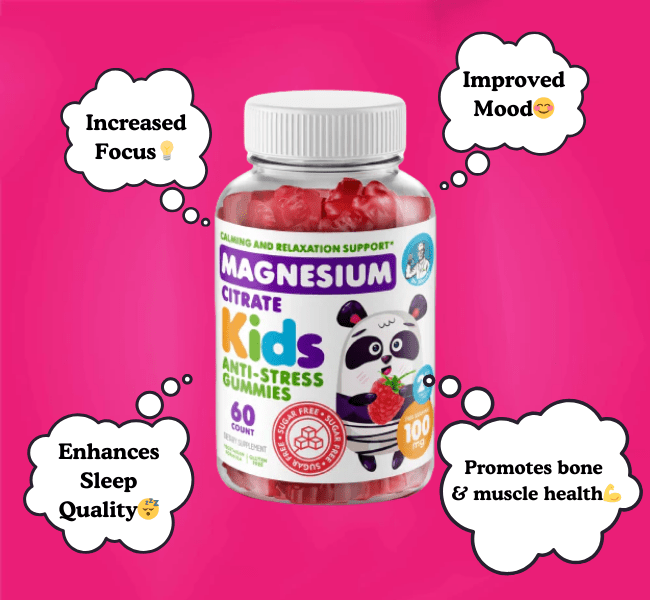
TLDR: Children burn through magnesium faster than most parents realize — and the signs are easy to miss. Learning the 11 warning signs of magnesium deficiency in children helps you catch the problem before it affects your child's sleep, mood, growth, or focus. Dr. Moritz Magnesium Gummies deliver 100 mg of highly absorbable magnesium citrate per sugar-free gummy, giving kids a supplement they actually want to take.
Why So Many Children Run Low on Magnesium
Magnesium fuels more than 300 biochemical reactions in the body — from building bones to producing energy to calming the nervous system. Children need it in abundance because their bodies grow, learn, and recover at a pace adults never match. Yet the modern pediatric diet works against them. Processed snacks, refined grains, and picky eating habits strip magnesium from the foods kids actually consume.
The numbers tell the story. Studies show that a significant portion of children in the United States do not meet the recommended daily intake for magnesium. Deficiency builds gradually, and because the early symptoms mimic common childhood complaints — tiredness, moodiness, stomach aches — parents often attribute them to something else entirely.
That is why understanding the 11 warning signs of magnesium deficiency in children matters so much. When you know what to look for, you can act early. And the fix is often simpler than you expect: a daily, well-absorbed magnesium supplement like Dr. Moritz Magnesium Gummies can fill the nutritional gap without battles at the dinner table.
Recognizing the 11 Warning Signs of Magnesium Deficiency in Children
Children rarely announce that something feels "off" inside their bodies. Instead, they show you through behavior, energy levels, and physical complaints. The following 11 signs point to low magnesium — and each one connects directly to a process that magnesium controls. If your child displays three or more of these symptoms, a conversation with their pediatrician and a high-quality daily supplement like Dr. Moritz Magnesium Gummies are both worth pursuing.
1. Restless Sleep and Trouble Falling Asleep
Magnesium activates the parasympathetic nervous system — the branch that tells the body to slow down and prepare for rest. When a child's magnesium levels drop, this calming signal weakens. The result: bedtime resistance, tossing and turning, frequent waking, and mornings that feel like nobody actually slept.
Parents often try adjusting screen time, room temperature, or bedtime routines — all reasonable steps. But if sleep problems persist despite those changes, the issue may be nutritional. Dr. Moritz Magnesium Gummies work well as part of a wind-down routine. Because the gummies are sugar-free, they will not spike blood sugar before bed, which is a common problem with other gummy supplements that can actually worsen sleep disruption.
2. Leg Cramps and Muscle Twitches
Magnesium governs the balance between muscle contraction and relaxation. Without enough of it, muscles lose the signal to release after contracting. Children may complain about charley horses at night, twitching calves during the day, or sore legs after moderate physical activity that should not cause pain.
Active kids face higher risk because magnesium leaves the body through sweat. A child who plays sports, runs at recess, or dances after school burns through magnesium faster than a sedentary one. Daily supplementation with magnesium citrate — the form used in Dr. Moritz Magnesium Gummies — replenishes what activity depletes and supports healthy muscle function.
3. Frequent Mood Swings and Irritability
Children who seem emotionally volatile — snapping over small frustrations, crying more easily than usual, or swinging between high energy and meltdowns — may be running low on magnesium. The mineral directly regulates neurotransmitters that influence mood, including serotonin and GABA. When supply drops, the nervous system becomes more reactive, and emotional regulation suffers.
This is one of the most commonly overlooked signs of magnesium deficiency in children because moodiness often gets blamed on age, school stress, or personality. If your child's emotional shifts seem disproportionate to the situation, consider whether their magnesium intake is adequate.
4. Difficulty Concentrating at School
Magnesium supports synaptic plasticity — the brain's ability to form and strengthen connections between neurons. A child with low magnesium may struggle to focus in class, retain new information, or stay on task during homework. Teachers may flag attention issues, and parents may notice that their child loses track of instructions or seems mentally foggy.
While concentration problems have many possible causes, magnesium deficiency is one of the easiest to address. Parents of children with attention difficulties have reported that adding a consistent magnesium supplement improved focus and reduced restlessness. Dr. Moritz Magnesium Gummies deliver magnesium citrate — a form absorbed up to three times more efficiently than magnesium oxide — so the mineral actually reaches the brain instead of passing through the digestive tract unused.
5. Low Energy and Constant Tiredness
Every cell in your child's body depends on magnesium to produce ATP — the molecule that powers movement, growth, thinking, and recovery. When magnesium drops, energy production slows. Your child may seem sluggish after school, resist physical activity, or complain of feeling tired despite a full night of sleep.
Fatigue in children is easy to dismiss. Growing bodies need more rest, after all. But when low energy persists week after week — especially alongside other warning signs on this list — it points toward a deficit that rest alone will not correct. A daily magnesium gummy can restore the mineral foundation that proper energy production requires.
6. Loss of Appetite
A child who suddenly loses interest in meals — even favorites — may have low magnesium. The mineral helps regulate smooth muscle contractions in the digestive tract. When levels fall, digestion slows, the stomach feels unsettled, and appetite fades. Some children also experience mild nausea.
This creates a damaging cycle: poor appetite means less food, which means even less magnesium from dietary sources. Breaking that cycle with a supplement makes a real difference. Dr. Moritz Magnesium Gummies contain chicory root fiber alongside magnesium citrate, providing gentle prebiotic support for a child's digestive system in the same serving.
7. Headaches That Keep Coming Back
Recurring headaches in children deserve attention, and magnesium deficiency is one factor worth investigating. Magnesium affects blood vessel constriction and neurotransmitter activity — two mechanisms tied directly to headache onset. Children who experience frequent tension headaches or migraines often have lower magnesium levels than their peers.
Consistent magnesium supplementation may reduce headache frequency and intensity over time. While a supplement is not a substitute for medical evaluation when headaches are severe, filling a nutritional gap can make a noticeable difference in how often a child complains of head pain.
8. Anxiety and Nervousness
A child who worries excessively, feels nervous in social settings, or shows physical signs of anxiety — stomach aches before school, nail biting, trouble separating from parents — may need more magnesium. The mineral calms the nervous system by regulating stress hormones and supporting GABA, the neurotransmitter responsible for quieting overactive brain signals.
Research links magnesium supplementation with reduced symptoms of mild anxiety. Dr. Moritz Magnesium Gummies offer a practical daily habit that supports emotional balance in children — and the sugar-free, raspberry-flavored format means kids actually look forward to taking them.
9. Growing Pains and Weak Bones
Calcium gets most of the attention for bone health, but magnesium plays an equally significant role. It influences calcium absorption and helps convert vitamin D into its active form — the one that actually strengthens bones. Children in rapid growth phases need more magnesium than usual, and a shortage can show up as aching legs, sore joints, or what parents commonly call "growing pains."
Over time, insufficient magnesium weakens bone density during the very years when a child's skeletal system lays its permanent foundation. Dr. Moritz Magnesium Gummies support calcium uptake naturally, helping growing bones get what they need during these high-demand years.
10. Numbness or Tingling in Hands and Feet
Nerve conduction depends on magnesium. When a child mentions a "pins and needles" feeling in the hands or feet — especially outside of situations where a limb falls asleep from pressure — low magnesium may be the cause. This symptom often appears alongside muscle cramps, reinforcing the connection between the two.
While numbness and tingling can stem from several causes, magnesium deficiency in children is one of the most straightforward to address. If your child mentions this sensation regularly, a blood test and daily supplementation are reasonable next steps.
11. Teeth Grinding During Sleep
Bruxism — the medical term for teeth grinding — is surprisingly common in children, and research has explored a link between low magnesium and this behavior. Magnesium relaxes the jaw muscles and calms the nervous system during sleep. Without adequate levels, muscles stay tense, and grinding becomes more frequent. Over time, bruxism wears down tooth enamel and can cause jaw pain.
Parents often discover teeth grinding through a dentist visit or by hearing the sound at night. If your child grinds their teeth, checking magnesium levels gives you one more angle to address the problem alongside dental guidance. This is one of the less obvious signs of magnesium deficiency in children, but it connects directly to the mineral's role in muscle relaxation.
Why Gummies Are the Best Magnesium Format for Kids
Getting a child to take a supplement every day is a challenge on its own. Tablets are hard to swallow. Capsules intimidate younger kids. Powders require mixing and often taste metallic. Liquids leave an aftertaste that leads to daily refusals.
Gummies eliminate every one of those barriers. They taste good. They chew easily. They require no water, no preparation, and no negotiation. That simplicity translates directly into consistency — and consistency is what makes supplementation work. If you recognize any of the 11 warning signs of magnesium deficiency in children, choosing a format your child will take willingly every single day matters more than almost any other factor.
Dr. Moritz Magnesium Gummies use magnesium citrate, a form that absorbs up to three times better than magnesium oxide — the cheap filler found in many competing products. Most kids' gummy brands load their formula with sugar, artificial dyes, and gelatin. Dr. Moritz takes a different approach: sugar-free, vegetarian, gluten-free, non-GMO, and colored naturally with black carrot extract. For families watching sugar intake — particularly those managing ADHD, diabetes, or picky eating — this distinction is the one that separates Dr. Moritz from every other bottle on the shelf.
Inside the Dr. Moritz Formula: Ingredients Parents Trust
Transparency is what separates a reliable supplement from one you question every time you hand it to your child. Here is exactly what goes into each Dr. Moritz Magnesium Gummies serving:
Magnesium Citrate (100 mg per gummy): The primary active ingredient. Citrate bonds allow faster, more complete absorption compared to oxide or carbonate forms. Your child's body puts this magnesium to work immediately — supporting muscles, nerves, bones, and brain function.
Chicory Root Fiber (Fructooligosaccharides): A prebiotic fiber that feeds beneficial gut bacteria. It adds gentle digestive support without calories or sugar, and replaces synthetic binders found in lower-quality gummies.
Pectin and Agar Agar: Plant-based gelling agents that replace gelatin, making the gummies vegetarian-friendly and easier on young stomachs than animal-derived alternatives.
Natural Color from Black Carrot: No Red 40. No Yellow 5. The gummies get their color from real vegetables — not synthetic dyes that have been linked to hyperactivity in children.
Natural Raspberry Flavor: A fruity taste that kids genuinely enjoy, without artificial sweeteners or added sugar.
Dr. Moritz manufactures under GMP (Good Manufacturing Practices) standards and backs every bottle with a 30-day money-back guarantee. The company ships free on orders over $30 and offers a subscribe-and-save program that cuts 30% off every recurring order — so you never run out and your child never misses a day.
How to Build a Daily Magnesium Habit Your Child Will Love
The most effective supplement is the one your child takes every day without resistance. Pair Dr. Moritz Magnesium Gummies with an existing routine — breakfast, after-school snack, or bedtime teeth brushing — and the habit sticks within a week. Many parents find that a bedtime gummy doubles as a calming ritual that signals the body to wind down.
Children ages four and up can take the kids' formula as directed on the label. Consistent daily intake over several weeks produces the best results. Many parents report noticeable improvements in sleep quality and calmness within the first two to three weeks. If your child shows multiple signs of low magnesium, start with a 60-count bottle and monitor the changes. Once you see the difference, the subscription plan locks in savings and guarantees uninterrupted supply.
Ready to Address the Signs of Magnesium Deficiency in Your Child?
Dr. Moritz Magnesium Gummies deliver 100 mg of fast-absorbing magnesium citrate in a sugar-free, naturally flavored gummy that kids look forward to taking. Thousands of parents have already made the switch to daily magnesium supplementation and watched their children sleep better, feel calmer, and focus more clearly. Your child's healthier routine starts with a single gummy.
Order today for fast delivery. Free shipping on orders over $30. Subscribe and save 30% on every order.
Store Information
Both the official website and Amazon offer convenient purchasing options for Dr. Moritz Magnesium Gummies.
Frequently Asked Questions
What are the 11 warning signs of magnesium deficiency in children?
The 11 warning signs of magnesium deficiency in children include restless sleep and insomnia, leg cramps and muscle twitches, frequent mood swings and irritability, difficulty concentrating, low energy and tiredness, loss of appetite, recurring headaches, anxiety and nervousness, growing pains and weak bones, numbness or tingling in hands and feet, and teeth grinding during sleep. If your child shows several of these signs, talk to their pediatrician and consider a daily supplement like Dr. Moritz Magnesium Gummies.
At what age can children start taking Dr. Moritz Magnesium Gummies?
Dr. Moritz Magnesium Gummies are formulated for children ages four and up. The product is not recommended for children under two due to choking risk. Children should always chew gummies fully under adult supervision. The gummies are sugar-free, vegetarian, gluten-free, non-GMO, and free from artificial flavors, colors, gelatin, dairy, soy, and nut allergens.
Why does Dr. Moritz use magnesium citrate instead of magnesium oxide?
Magnesium citrate absorbs up to three times more efficiently than magnesium oxide. Oxide packs a higher elemental dose per serving, but the body struggles to absorb it — most passes through the digestive tract unused and can cause loose stools. Citrate enters the bloodstream faster and at higher rates, meaning a lower dose delivers more usable magnesium to your child's muscles, bones, and brain. Dr. Moritz Magnesium Gummies use citrate for exactly this reason.
How quickly will I see results after my child starts magnesium gummies?
Many parents report their children sleeping better and feeling calmer within two to three weeks of daily use. Improvements in muscle cramps, energy, and focus may take slightly longer depending on how depleted your child's magnesium stores are. Consistent daily intake produces the best results — give your child their Dr. Moritz Magnesium Gummies at the same time each day for an uninterrupted routine.
Are Dr. Moritz Magnesium Gummies safe for children with ADHD or diabetes?
Yes. Dr. Moritz Magnesium Gummies are completely sugar-free, so they will not raise blood glucose levels — making them safe for diabetic children. Parents of children with ADHD have reported that consistent magnesium citrate supplementation supported calmness, focus, and better sleep. The gummies contain no artificial dyes, which some studies have linked to increased hyperactivity. Always consult your child's healthcare provider before starting any new supplement.
